

How a local business directory makes money for a newsletter
A publisher with nothing to sell but a mention in an email can put every local business on a real page, and let owners pay to upgrade theirs.
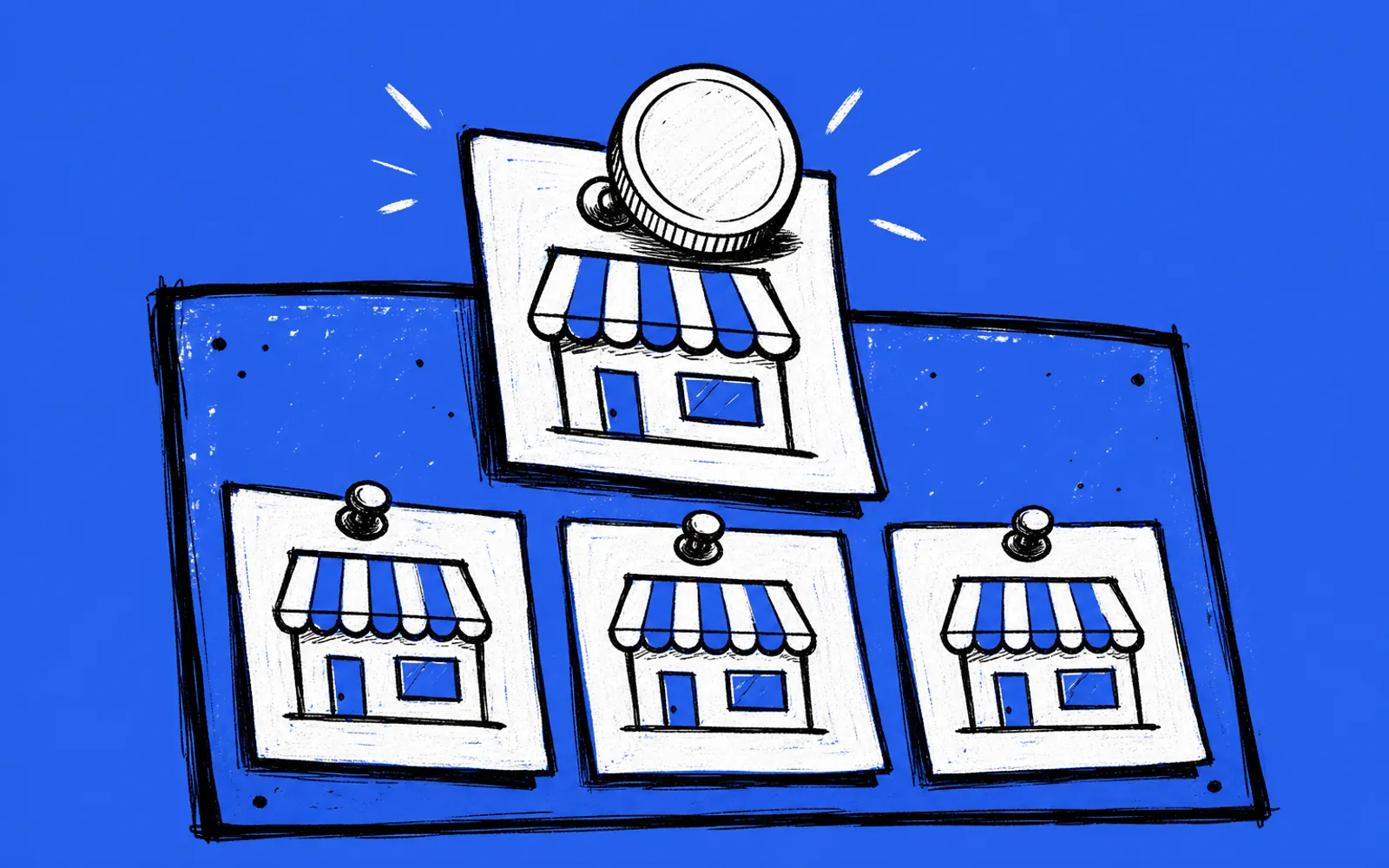
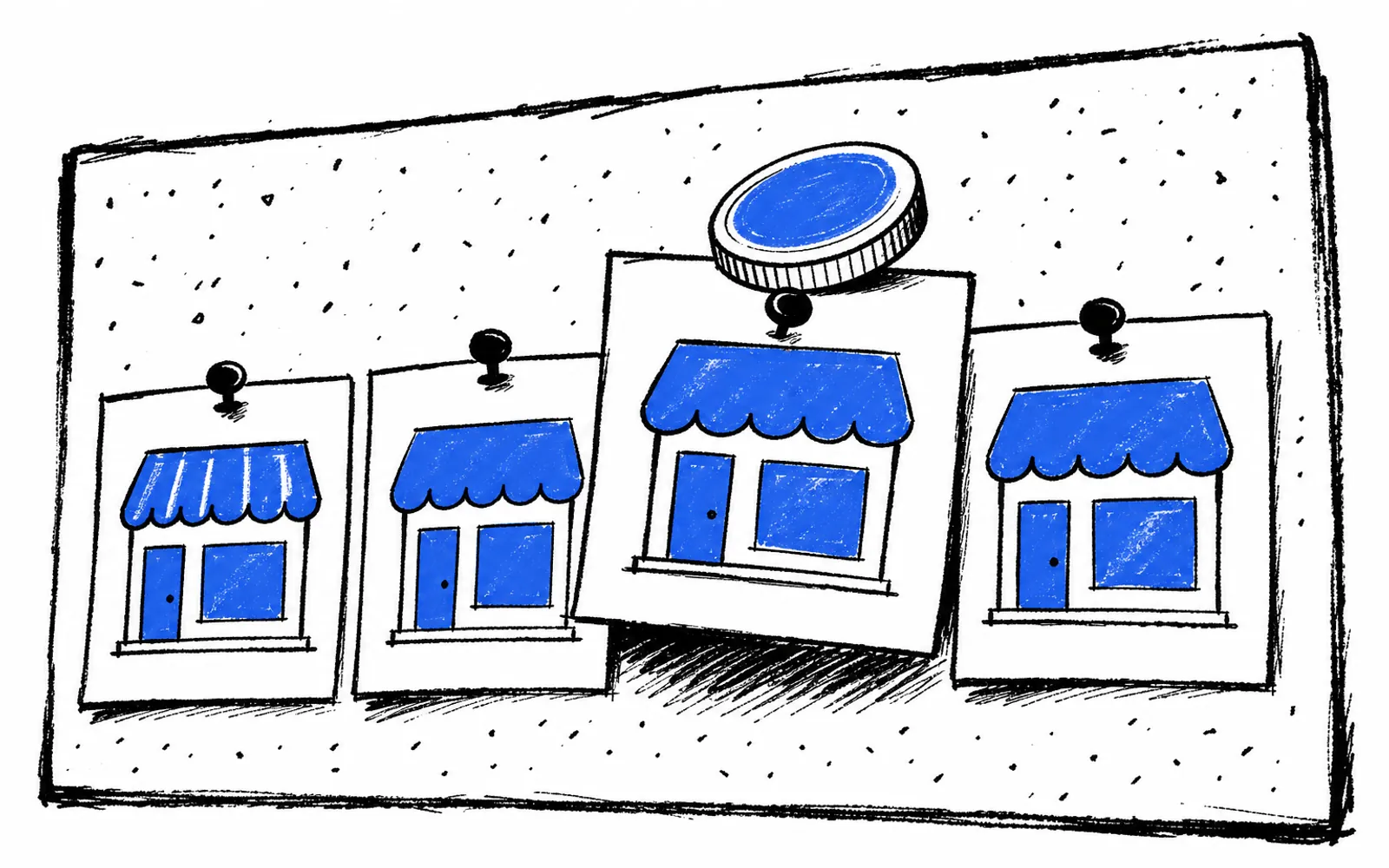
A local business owner emails you again. They want to reach your readers, and you want to say yes, but the only thing you can offer today is a mention in the next newsletter. That mention disappears into an inbox within a day, and the owner has nothing lasting to show for it. larkfeed fixes the underlying problem by giving every local business a real page on the publisher's site, one owners claim for free and can pay the publisher to upgrade.
The economics follow from the structure. An email mention is a one-time placement that vanishes. A page is a permanent address that readers visit when they are looking for a restaurant, a plumber or a venue, and that search engines and AI assistants can read and cite. Once a page exists and belongs to an owner, the upgrade is a product with a shape, not a favor you have to negotiate from scratch each month.
What the directory actually is
larkfeed loads local businesses into the publisher's directory for them, so the site starts full rather than empty. Every business gets a real page with photos, reviews, hours and a map. Each page is structured so Google and AI assistants understand it, which is the reason an owner wants to be on it at all. Structured data, in plain words, means the page carries labels that tell a search engine what it is looking at, such as the business name, its hours and its location, so the machine does not have to guess.
An owner claims their page for free. That claim is the front door to the revenue: once the page belongs to them, they can pay the publisher to upgrade it. An upgraded business page might run $49, $100 or $300 a month, and the publisher sets every price. Payment is by card inside larkfeed, so the publisher does not chase invoices. The price you set depends on your market, and the same platform supports a modest monthly fee in a small town or a larger one in a bigger one.
We built it because we needed it. We run more than 20 local publications, and the same problem kept showing up.
The structure is what makes the sale straightforward. A page that search engines and AI assistants can read is a page with a story an owner can see, and a publisher can point to. The upgrade turns a listing into a pitch the owner understands without much explanation: more visibility on a site their customers already use.
Who this is for
This is for local media companies and entrepreneurs in any market: newsletter publishers who want a real website business, and operators starting a local media brand. It fits a publisher who already has an audience and needs something durable to sell against it. It does less for someone with no local audience and no intention of building one, because the directory earns when readers look things up, and readers look things up on a site they trust and return to.
Everything else on the same site
The directory is the anchor, and the same site carries the rest of the revenue products. An events calendar takes free submissions that keep it full, and the publisher sells featured spots and Event Spotlights. A local job board takes free listings while employers pay for premium roles at the top. Sponsor bands and ad spots round out the inventory. Free event and job submissions keep the site full; the featured spots are the publisher's to sell. The free tier does the work of making the site look alive, and the paid tier gives buyers a reason to spend.
One more product works alongside the directory. Business owners answer a few questions in a form, and their story lands as a finished article ready for the publisher to approve. That interview article gives an upgraded owner something beyond a listing: a written profile the publisher can point to in the sales conversation, produced without the publisher spending an afternoon on it. Every form on the site runs through greetform, a sister product to larkfeed, and the publisher's own stories, events and jobs flow into their newsletter through lightbreak, the newsletter sister product. Nothing on the site goes live until the publisher says so.
The whole site is built to be found and cited by Google, ChatGPT and AI search, which matters to a directory specifically. When someone asks an AI assistant for a coffee shop or a dentist in your town, the pages most readable to those systems are the ones that surface. Every business, article, author and place is marked up, and every site has a guide for AI crawlers. A business owner paying monthly for an upgraded page is paying into that machinery.
How to start using it
- 01Book a call
Talk through your market with larkfeed and see the platform on your own town.
- 02Get your businesses loaded
larkfeed loads local businesses into your directory for you.
- 03Set your prices
Decide what an upgraded business page costs in your market. You set every price.
- 04Let owners claim free pages
Owners claim their page for free, which opens the conversation about upgrading.
- 05Sell the upgrades
Owners pay by card inside larkfeed when they upgrade.
- 06Sell the rest of the inventory
Offer Event Spotlights, featured calendar spots, premium job listings, sponsor bands and ad spots.
WilCo Guide, at wilcoguide.com, is the first site running on larkfeed, so a publisher can see the whole setup, directory and calendar included, before committing to anything. Looking at a live site answers questions a demo cannot, such as how the business pages read and how the events and jobs sections sit alongside them.