
How owner interviews become finished business stories
A publisher with a full directory and no writing hours can turn an owner's form answers into a published profile, and the workflow takes less effort than most people assume.
- The owner answers a few questions in a form; the answers come back as a finished article draft
- The publisher approves every story before it goes live
- The interview story gives the owner original coverage and opens the door to an upgraded business page
- The publisher sets every price on the upgrades they sell
A publisher with a local directory has a familiar problem. The site holds hundreds of business pages, and each one would be stronger with a real story behind it, but writing profile after profile takes hours nobody has. Owners keep saying they would love coverage, and that coverage never comes.
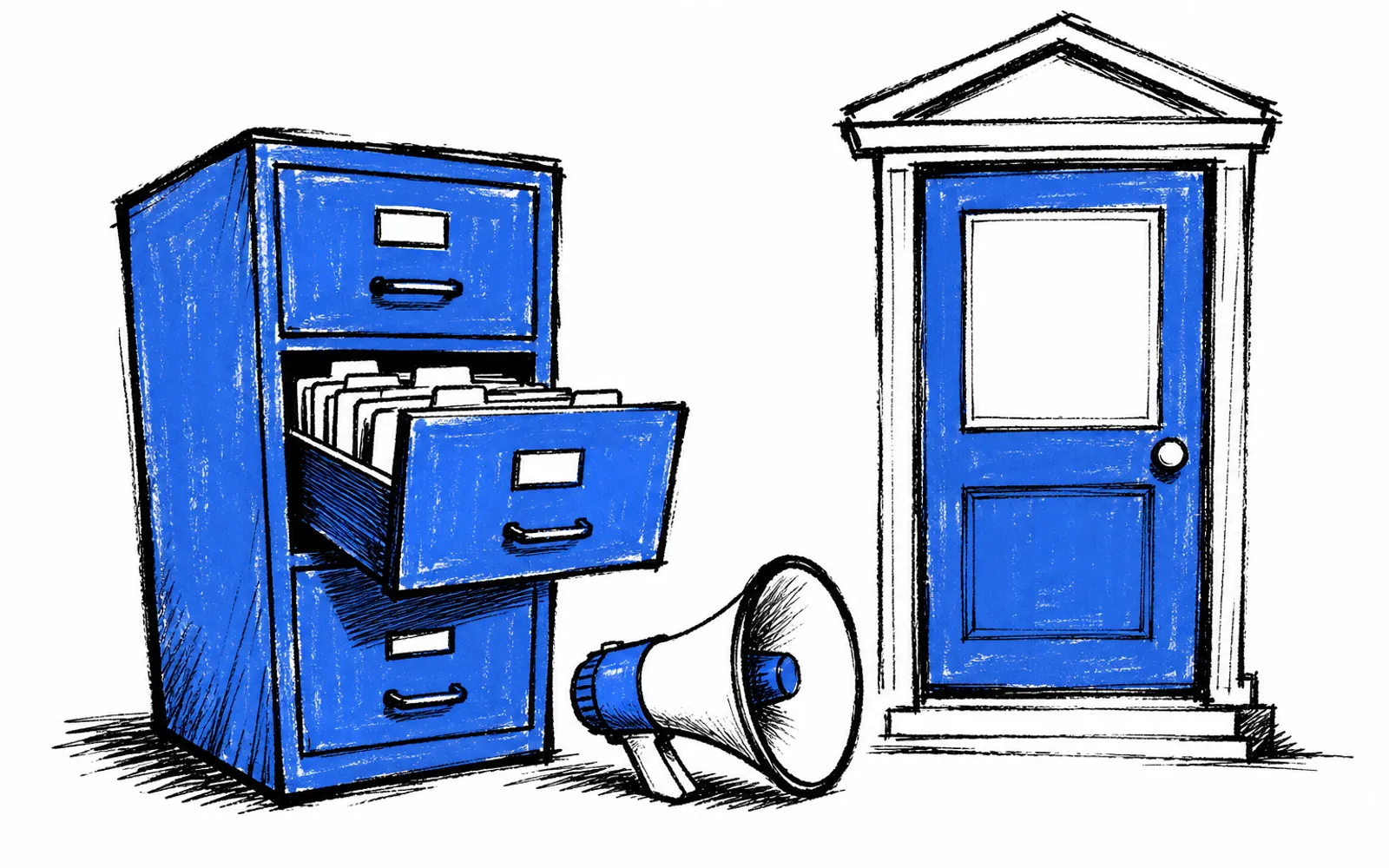
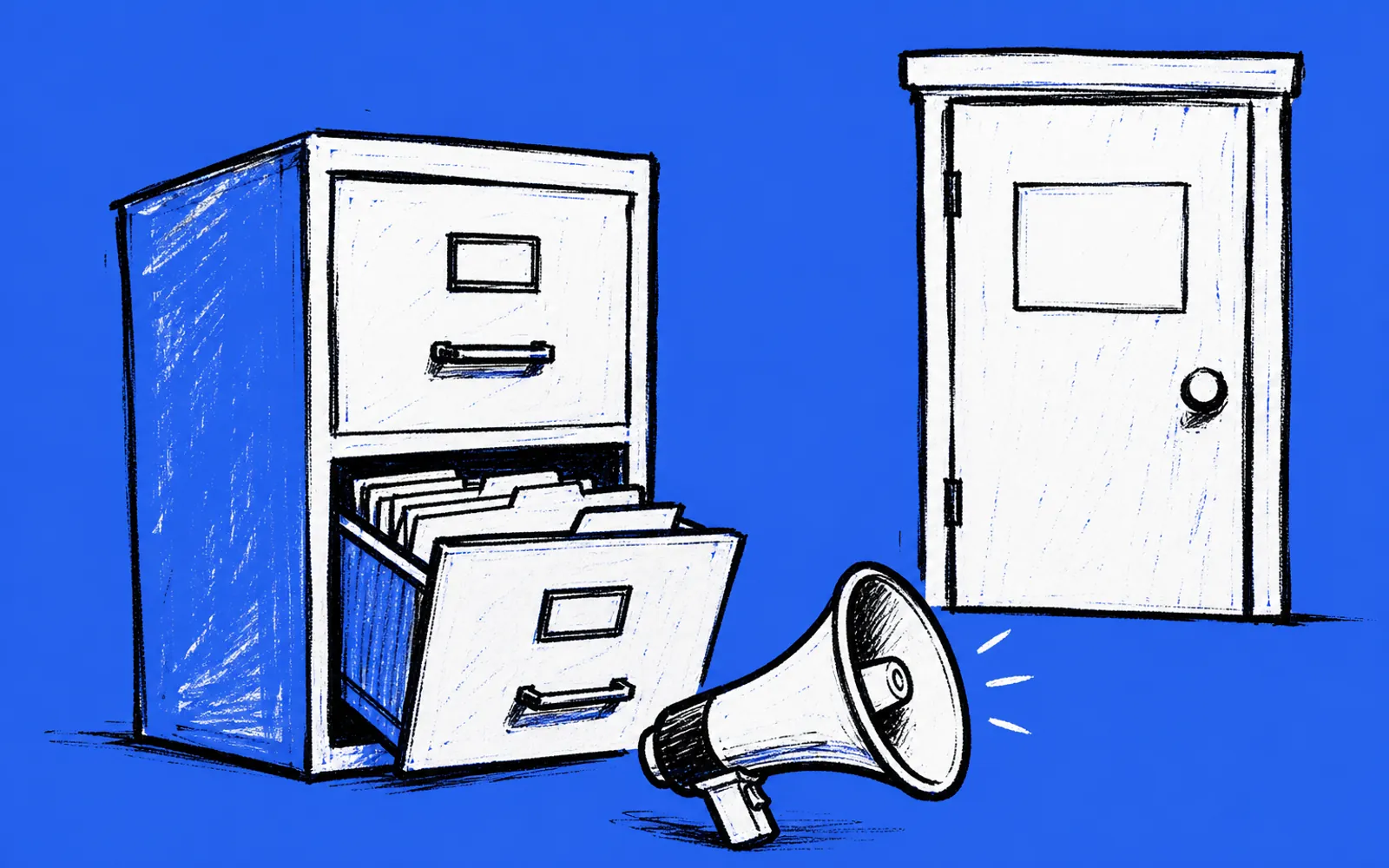
The traditional fix is an interview, and the traditional interview dies on logistics. The publisher emails the owner to schedule a call, the call happens or gets rescheduled, the recording needs transcribing, and the transcript needs an hour of writing before there is anything to publish. Multiply that by a directory of hundreds and the math never works. Most local business profiles never get written for exactly this reason.
There is a lighter way to run the same idea, and it changes who does the work. Instead of a call, the owner answers a few questions in a form on the publisher's site. Instead of a transcript, the answers arrive as a finished article draft. The publisher's job shrinks to reading it and saying yes.
What the workflow does
The owner fills in a form, answering a handful of questions about their business. The publisher does not have to write questions, chase a calendar or transcribe anything. The answers, plus whatever background the site already holds about the business, come back as a designed article draft rather than a pile of raw text.
The draft sits waiting. Nothing goes live until the publisher approves it. The publisher reads it, edits it if they want, and publishes. The result is original local content about a local business, written without the publisher sitting down to write.
The story also does quiet work for the business. Pages built with structured data carry labels that tell a search engine what it is looking at, so the machine does not have to guess, and articles that carry sources, dates and authors are easier for Google and AI assistants such as ChatGPT to find and cite. An interview story gives the owner another page built on those principles, which is the same reason a well-structured business directory page is worth having at all.
For the publisher, the story is original content the site did not have before. Local sites live or die on having things worth reading, and a profile of a real local business, in the owner's own words, is exactly the kind of page a neighbor searches for and an AI assistant cites. One approved interview adds an article to the site, a story to the archive and a reason for the owner to share the link with their own customers.
Most local stories never get written because they take too long.
Who it fits and who it does not
This workflow fits local media companies and entrepreneurs in any market, including newsletter publishers who want a real website business. It works for a one-person operation because the publisher's job is approval, not writing. It fits a publisher running a directory where owners have already claimed their pages, because the interview is a natural next conversation with an owner who is already engaged.
It does not fit a publisher who wants to publish without review. Every story waits for a yes, so an operator who wants a fully automated site with no human in the loop will not get that. It also will not produce coverage of businesses whose owners will not fill in a form; the interview starts with the owner's own answers. And a publisher who wants long investigative pieces rather than business profiles will need a different workflow, because this one turns an owner's answers into a story, not a reporting project.
How to run it with larkfeed
larkfeed, an AI-native local media platform, runs this workflow end to end. larkfeed loads local businesses into the publisher's directory for them, so the site starts with real pages rather than an empty list. Every form on a larkfeed site is a greetform, the sister product that handles the interview. Business owners answer a few questions in a form and their story lands as a finished article, ready for the publisher to approve. WilCo Guide, at wilcoguide.com, is the first site running on larkfeed.
- 01Load your directory
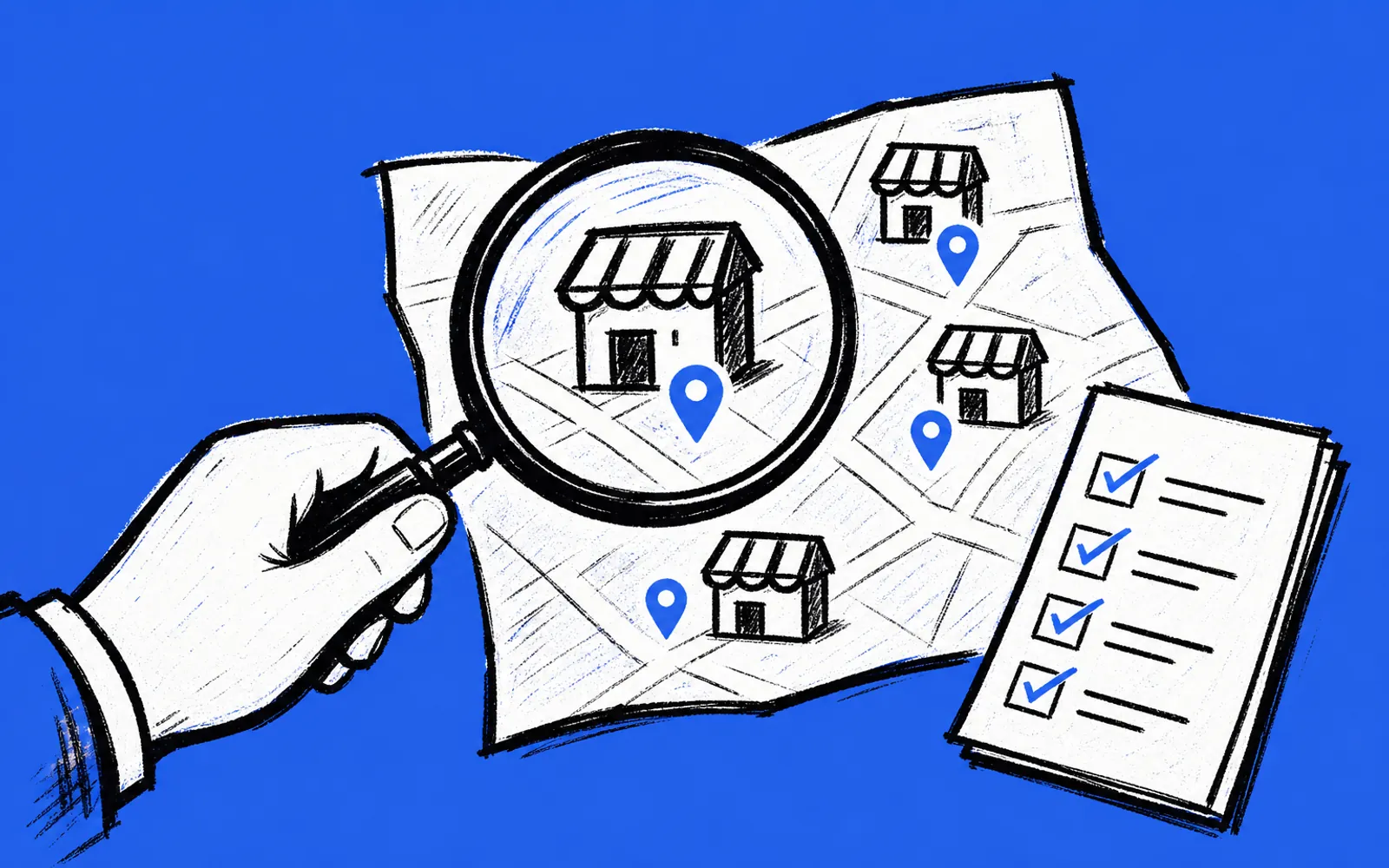
larkfeed loads local businesses into your directory for you, so the site starts with real pages rather than an empty list.
- 02Let owners claim their pages
Owners claim their business page for free, giving them a stake in what appears there.
- 03Send an owner the interview form
The owner answers a few questions in the form, which is a greetform on your site.
- 04Approve the draft
The answers land as a finished article draft that waits for your approval.
- 05Publish and offer the upgrade
Once the story is live, the owner can pay you to upgrade their business page. You set every price.
The upgrade is where the workflow earns its keep. An owner who has claimed a free page and read their own story on a site built to be found is a warmer buyer for an upgraded business page. The publisher sets every price; an upgraded page might run $49, $100 or $300 a month depending on the market, and payment is by card inside larkfeed, so the publisher does not chase invoices.
The interview story can also flow into the publisher's newsletter. A publisher's own stories, events and jobs feed into their newsletter through lightbreak, larkfeed's newsletter sister product, so one approved article can serve both the site and the inbox. The same story that fills a hole in the directory also fills a slot in the next send.